
Packing a Modern Expedition First Aid Kit with Frontier Practicality
Carrying the Spirit of Lewis and Clark into the Backcountry
When the Corps of Discovery left St. Louis in 1804, its medical supplies traveled in a substantial expedition chest, alongside instruments, medicines, bandages, and tools intended for months far from established care. That chest reflected the realities of the era: limited diagnostics, bulky containers, uncertain supply lines, and a need to improvise with whatever the riverbank or forest could provide. Today, a wilderness traveler can carry a far smaller kit with dramatically greater capability, but the central problem remains familiar. A cut still bleeds, a twisted ankle still stops progress, and cold still drains judgment long before it becomes visibly dangerous.
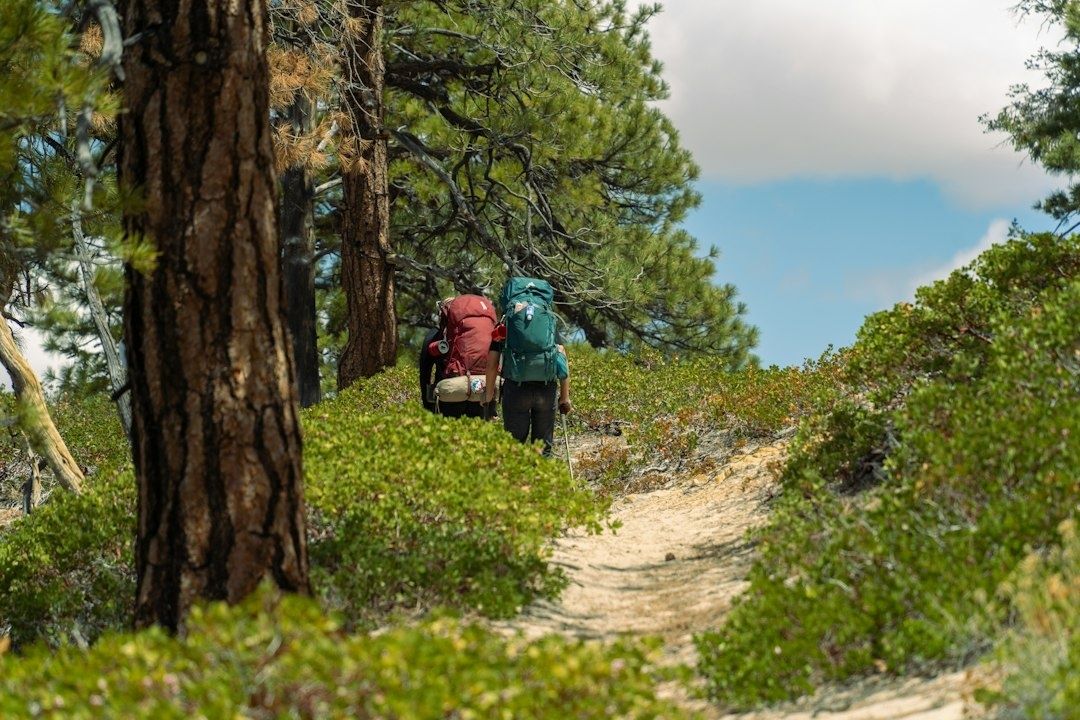
A modern backcountry first aid kit should therefore follow a frontier principle: every item must earn its place. The goal is not to carry a miniature clinic, but to assemble a compact system for controlling bleeding, protecting wounds, supporting injured joints, maintaining hydration, and preserving body heat until evacuation or professional care becomes possible. As you prepare for a modern expedition, even a small backcountry first aid kit can reflect the same practical resilience that carried earlier explorers through uncertain country, provided it is matched to the route, the group, and the hazards ahead.
Assessing True Frontier Hazards Before Hitting the Trail
The strongest medical kit cannot compensate for poor route planning. Begin by auditing the environment rather than shopping from a generic checklist. Elevation may increase exertion and complicate acclimatization, while weather can shift from sun to rain, wind, or snow within hours. Rough terrain raises the likelihood of falls and ankle injuries, and remote routes increase the time that an injured person may need to remain sheltered. Consider water availability, stream crossings, wildlife, loose rock, exposure, seasonal closures, and the reliability of communication before deciding what belongs in the pack.
Capacity should reflect the expedition rather than the individual ideal. A day hike with two experienced partners requires a different arrangement from a weeklong solo trip in cold, isolated country. The National Park Service emphasizes assessing experience, fitness, elevation tolerance, supplies, communication, weather, and emergency planning before departure. Following the National Park Service guidance to Hike Smart helps turn personal accountability into practical decisions.
- Match medical supplies to party size, trip duration, and expected evacuation time.
- Check weather forecasts, land-management alerts, water sources, and route conditions.
- Leave a detailed itinerary with a trusted person, including a clear overdue procedure.
- Carry communication and navigation backups rather than relying on a single device.
- Plan turnaround times and escape routes before fatigue or deteriorating weather narrows your choices.
Field Trauma Care for Cuts, Lacerations, and Soft Tissue Injuries
Bleeding control begins with scene safety and a rapid assessment. Put on gloves if available, identify the source of bleeding, and apply firm, direct pressure with gauze or a clean cloth. A pressure dressing can maintain compression while leaving the responder”s hands available for other tasks. For severe bleeding that does not respond to sustained pressure, hemostatic gauze may help when used according to its instructions. Life-threatening extremity bleeding may require a commercial tourniquet, but this is equipment that should be carried and practiced with before an emergency, not treated as an unfamiliar last-minute gadget.
Once bleeding is controlled, irrigation becomes the main defense against contamination. Wilderness Medical Society guidance supports prompt, vigorous but non-traumatic irrigation, with potable water considered an acceptable field option when sterile saline is unavailable. A large-volume syringe with a splash guard can deliver useful pressure without damaging tissue. Prepare a clean working area, remove visible debris with sterile instruments or clean tweezers, and avoid forcing dirt deeper into the wound. Additives such as harsh antiseptics generally do not replace thorough irrigation and may irritate healing tissue.
- Control major bleeding with direct pressure, a pressure dressing, or appropriately used hemostatic gauze.
- Expose and assess the injury, looking for embedded objects, loss of function, numbness, or signs of damage to tendons, nerves, or blood vessels.
- Irrigate generously with potable or appropriately treated water, using a syringe when practical.
- Cover the wound with a sterile or clean non-stick dressing and secure it with gauze, cohesive wrap, or medical tape.
- Use closure strips only when the wound is clean, shallow, and its edges come together easily. Seek professional care for deep, gaping, heavily contaminated, bite-related, or function-impairing wounds.
A compact kit should include closure strips, cohesive bandages, sterile gauze, non-stick pads, medical tape, antiseptic ointment, gloves, and a small irrigation syringe. These supplies do not eliminate infection risk, so monitor for increasing redness, warmth, swelling, drainage, fever, worsening pain, or red streaking. A field dressing is a bridge to definitive care, not permission to ignore a wound that needs closure, antibiotics, tetanus protection, or surgical assessment.
Stabilizing Sprains and Fractures Miles from the Trailhead
An injured ankle or knee is among the most common ways a capable hiker becomes unable to continue. Stop early, protect the injured person from additional falls, and assess circulation, sensation, movement, swelling, deformity, and pain. Do not force a joint back into alignment. If a fracture or serious ligament injury is suspected, immobilize the area in the position found unless circulation is threatened or a trained rescuer must make a careful adjustment for evacuation.
Modern moldable aluminum splints offer a major advantage over the timber, bark, and folded-cloth supports available to nineteenth-century expeditions. They are light, compact, and shaped around many body regions. A triangular bandage can create a sling, secure padding, or support an improvised wrap. Trekking poles can become useful structural elements when paired with clothing, sleeping pads, or bandages, although they should not be pressed directly against an injured limb without padding. Splint the joint above and below a suspected fracture, then recheck circulation and sensation regularly.
- Use padding to protect pressure points and reduce movement.
- Secure the splint firmly but not so tightly that fingers or toes become cold, pale, blue, numb, or increasingly painful.
- For a suspected ankle sprain, consider whether the person can bear weight safely; inability to walk normally may require evacuation planning.
- Elevate an injured limb when practical, while protecting it from cold and avoiding positions that increase pain.
- Reassess swelling, sensation, skin color, and pain after movement, rest, and every tightening or adjustment.
Conquering Backcountry Dehydration and Environmental Cold Challenges
Dehydration is more than thirst. Falling fluid levels can accelerate fatigue, reduce concentration, worsen headaches, and encourage poor decisions. In strenuous or hot conditions, fluid and electrolyte losses may compound one another, while excessive plain-water intake can create a separate danger through dilution of blood sodium. Carry a dependable treatment method and plan access to water rather than assuming every visible stream is safe. Filters, chemical treatment, ultraviolet devices, and boiling each have strengths and limitations, so a backup method is sensible on longer or more isolated routes.
Cold creates an equally persistent challenge. The body loses heat through radiation, conduction, convection, and evaporation. Contact with wet ground or water accelerates conductive loss, wind strips away warmed air through convection, and damp clothing increases evaporation as it dries. Fatigue, dehydration, inadequate food, and alcohol further weaken the body”s ability to produce or conserve heat. Understanding the principles in the Outdoor Action Guide to Hypothermia and Cold Weather Injuries makes it easier to recognize that shivering, clumsiness, confusion, and unusual behavior are medical warnings, not merely discomfort.
Build environmental protection into the medical system. Chemical heat packs can provide targeted warmth, but they should be wrapped to prevent burns and should not replace dry insulation. A reflective bivy sack or emergency shelter protects against wind and precipitation, while a reliable fire starter creates another layer of resilience when conditions allow a fire. Electrolyte formulations can support fluid replacement during prolonged exertion, and high-energy food supplies the fuel required for heat production. If hypothermia is suspected, shelter the person, replace wet layers, insulate from the ground, provide warm sweet fluids only when fully alert and able to swallow, and arrange evacuation for worsening or severe symptoms.
- Water containers sized for the route, plus a filter, chemical treatment, or another reliable purification method.
- Electrolyte packets selected for the expected exertion and climate.
- Emergency bivy sack, ground insulation, spare insulating layer, and waterproof shell.
- Chemical heat packs and a protected fire-starting method.
- High-energy food that can be eaten even when appetite is reduced.
The Ultralight Frontier Checklist
The most effective comparison between historical and modern expedition medicine is not about replacing courage with equipment. It is about reducing the weight required to apply sound judgment. Where an earlier party might have relied on carved wood, linen, animal fat, and limited tinctures, today”s traveler can carry purpose-built materials that weigh less, pack smaller, and perform more consistently. Even so, familiar objects remain valuable because they serve several roles at once.
| Need | Historical improvisation | Modern equivalent |
|---|---|---|
| Bleeding control | Cloth strips and direct pressure | Pressure dressing, gauze, gloves, and hemostatic gauze |
| Wound cleaning | Available river or spring water | Irrigation syringe and treated potable water |
| Joint support | Timber, leather, and folded fabric splints | Moldable aluminum splint, cohesive wrap, and triangular bandage |
| Medication | Limited expedition remedies | Personal prescriptions and carefully selected over-the-counter medicines |
| Cold defense | Blankets, fire, and layered garments | Reflective bivy, emergency shelter, heat packs, and fire starter |
Weight savings come from choosing items that solve more than one problem. A short roll of duct tape can reinforce gear, secure a splint, patch a shelter, or protect a hot spot on the foot. Safety pins can repair clothing, hold dressings, and support improvised gear fixes. A triangular bandage can become a sling, wrap, securing strap, or head covering. Irrigation syringes are small but valuable because they turn treated water into a practical wound-cleaning tool. Keep medications in labeled, waterproof packaging, and carry only what is appropriate for the group”s medical needs and training.
Build Your Kit and Venture Forward with Confidence
Equipment is only as effective as the calm judgment behind it. A pressure dressing, splint, or emergency shelter becomes useful when the group recognizes the problem early, communicates clearly, and follows a practiced plan. Consider formal wilderness first aid training, rehearse bleeding control and splinting, and learn how to assess an injured person without creating additional harm. Training also teaches when self-care has reached its limits and evacuation or emergency communication must take priority.
Inspect the kit before every major journey and after every minor one. Replace used, damaged, wet, or expired supplies, refresh medications according to their labels, and adjust the contents for season, terrain, party size, and isolation. The result is a compact expression of frontier practicality: not a promise that trouble will never appear, but a deliberate plan for meeting it. With modern safety science in the pack and the resilience of early explorers in the mindset, the trail ahead becomes a place for discovery prepared with confidence.
By Magnus
- 21, Sep, 2026
- 0 Comments